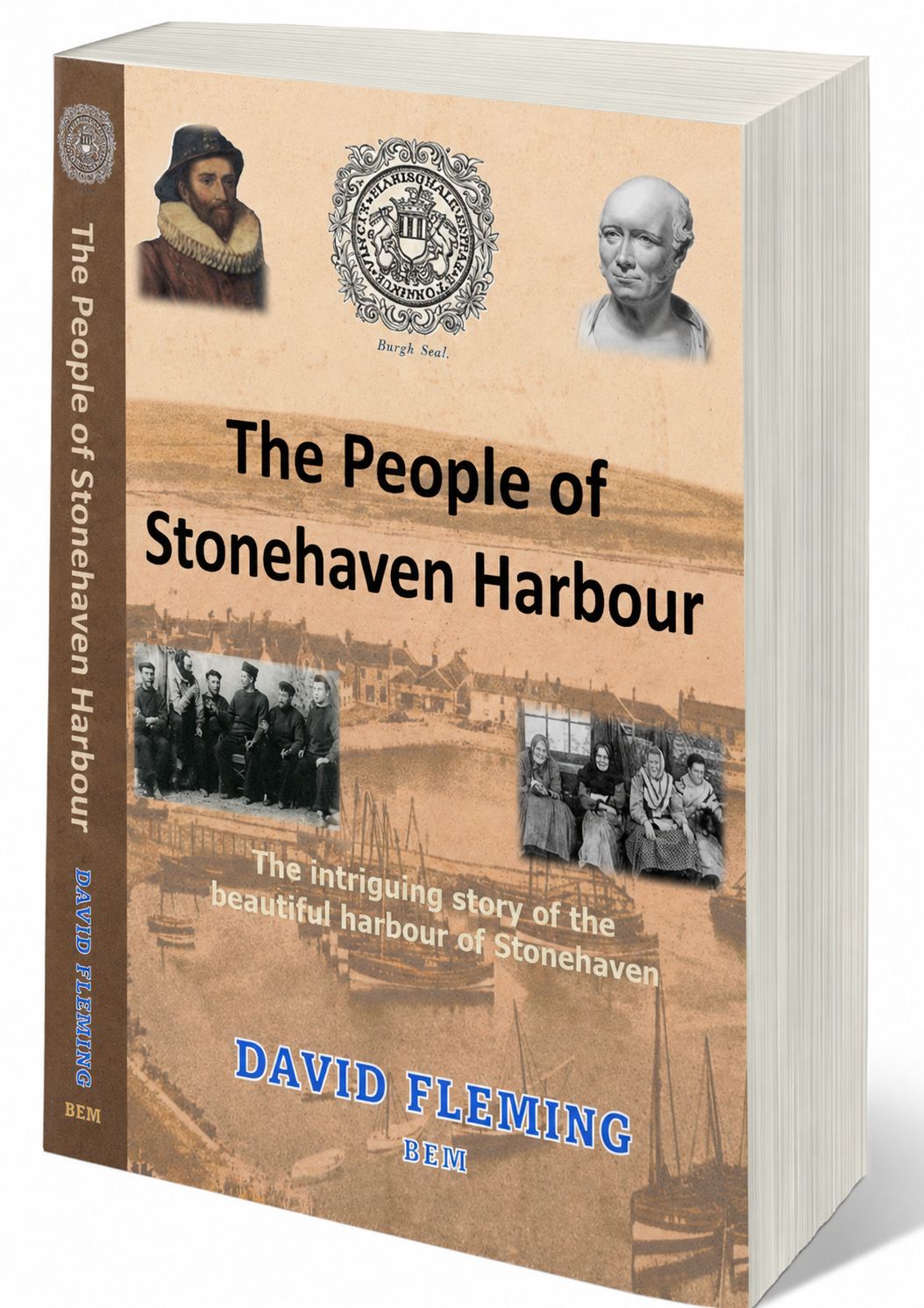
The People of Stonehaven’s Harbour
Stonehaven Harbour’s story stretches over five centuries.
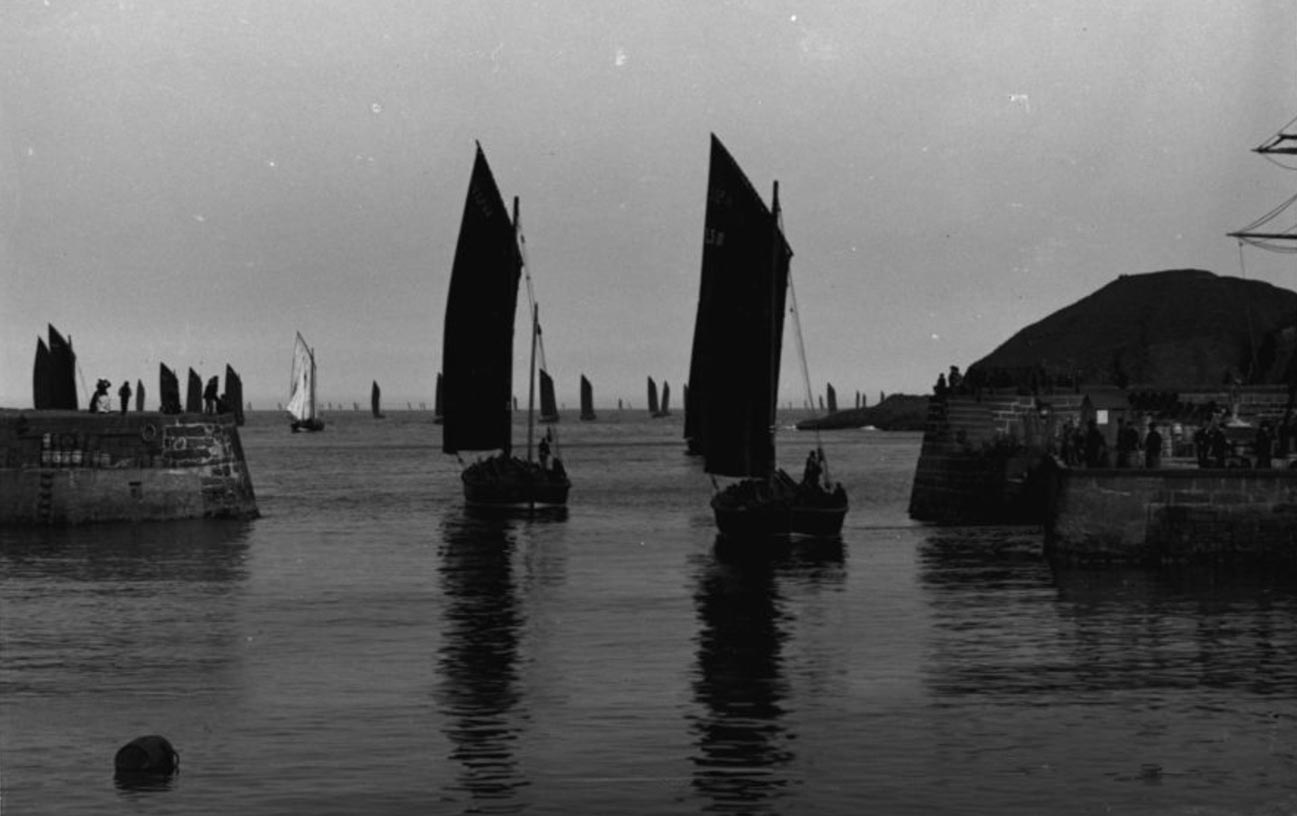
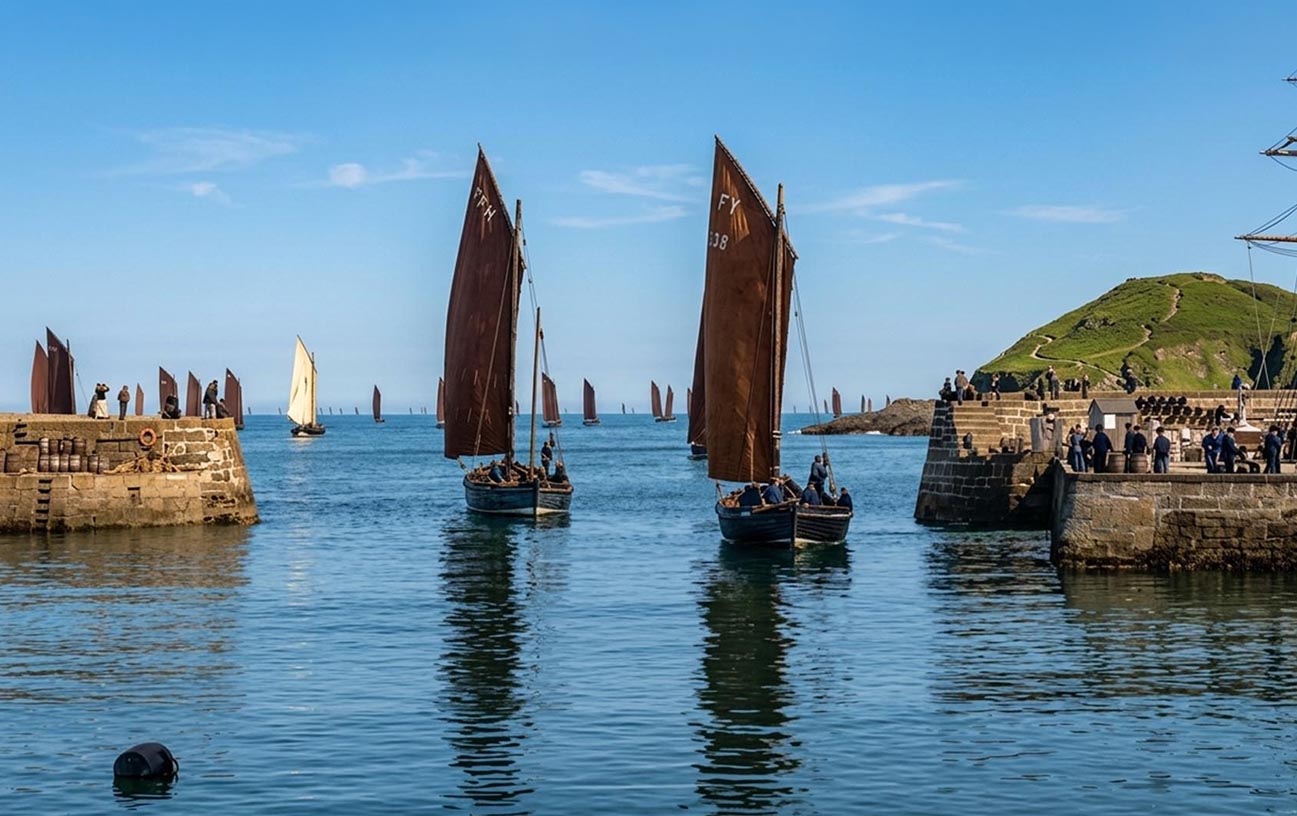
The Harbour Mouth Stonehaven 1886
Chapter One: Who Started Work on the Harbour?
This chapter delves into the origins of Stonehaven Harbour, which began as a natural cove shaped by the local geology. It highlights the role of George Keith, the 5th Earl Marischal, who initiated the construction of the Tolbooth building before 1600. The Tolbooth served as a storehouse for goods destined for Dunnottar Castle. The chapter also discusses the challenges faced by the harbour, including storm damage and political struggles, and the limited development due to economic and social factors of the time.
Chapter Two: What Was the Harbour Like Then?
This chapter contrasts the modern beauty of Stonehaven Harbour with its humble beginnings in the 17th century. It describes the feudal system, the limited employment opportunities, and the challenges of trade and travel. The chapter also explores the early housing and public order in the town, emphasizing the harsh living conditions and the slow pace of development due to various historical factors.
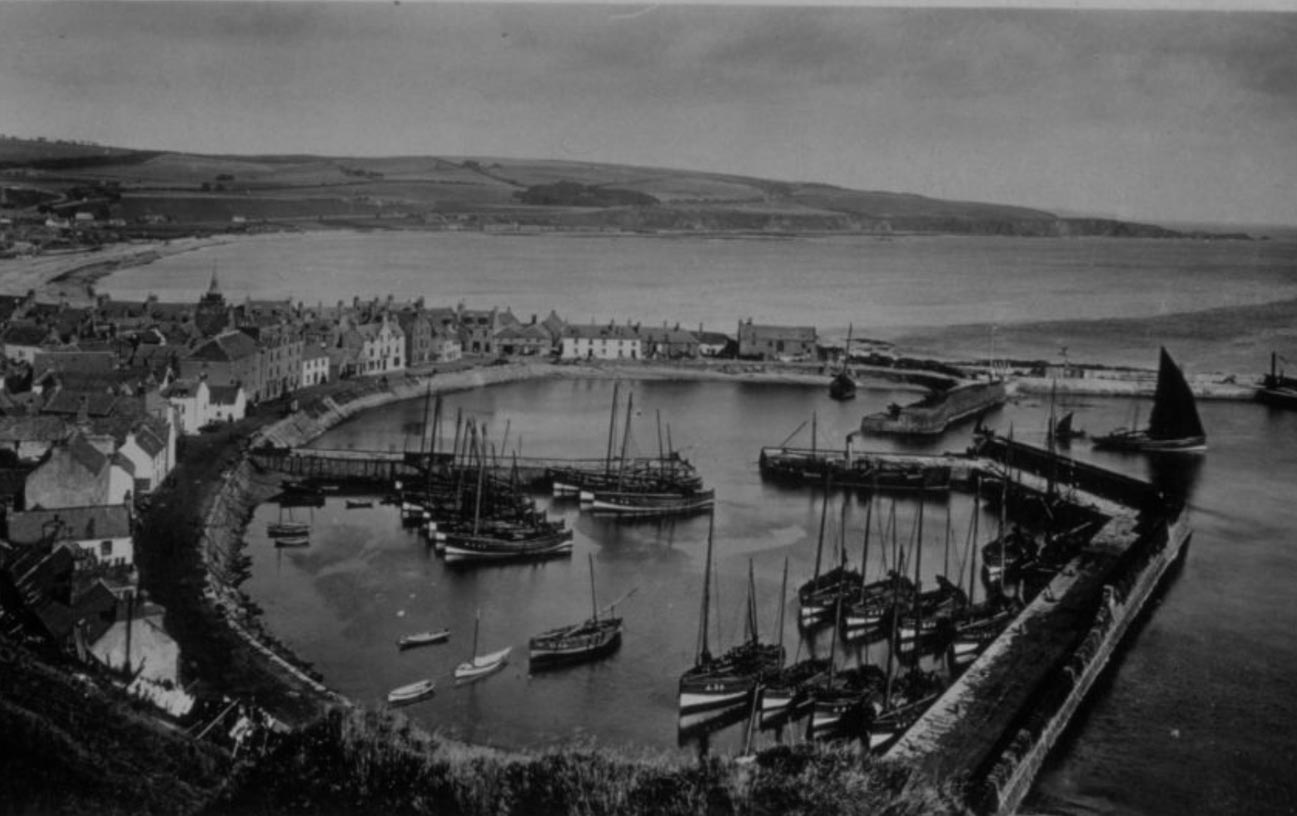
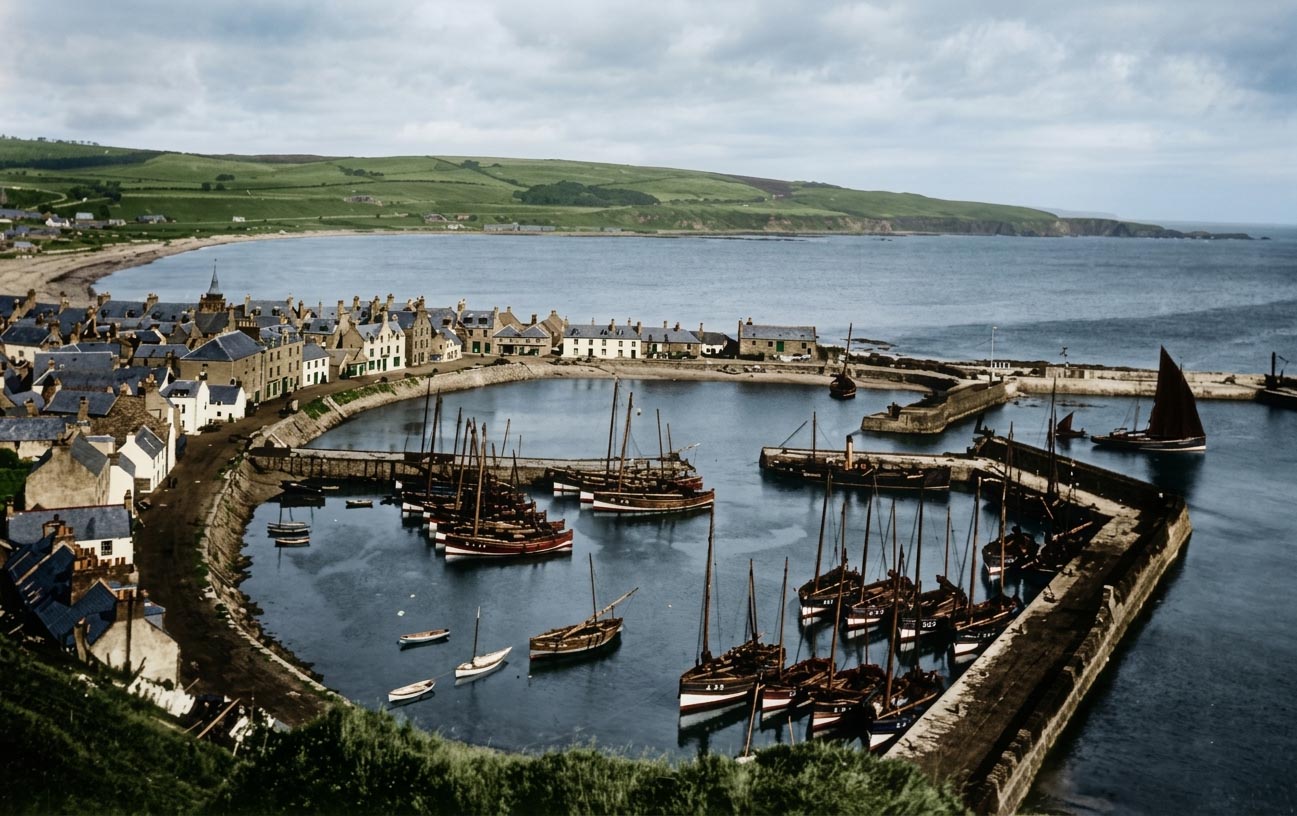
Old Town & Harbour, Stonehaven 1886
Chapter Three: Who Originally Owned the Harbour?
Ownership of the harbour is traced back to the Earls Marischal, who held superiority over the land. The chapter explains the concept of “feuars”—individuals granted land by the Earl in exchange for payment—and their role in managing the town and harbour. It also covers the Earl Marischal’s forfeiture of his lands after the Jacobite Uprising in 1715, leading to the harbour’s ownership passing through various entities, including the York Buildings Company, which mismanaged the estate.
Chapter Four: Who Lived Around the Harbour?
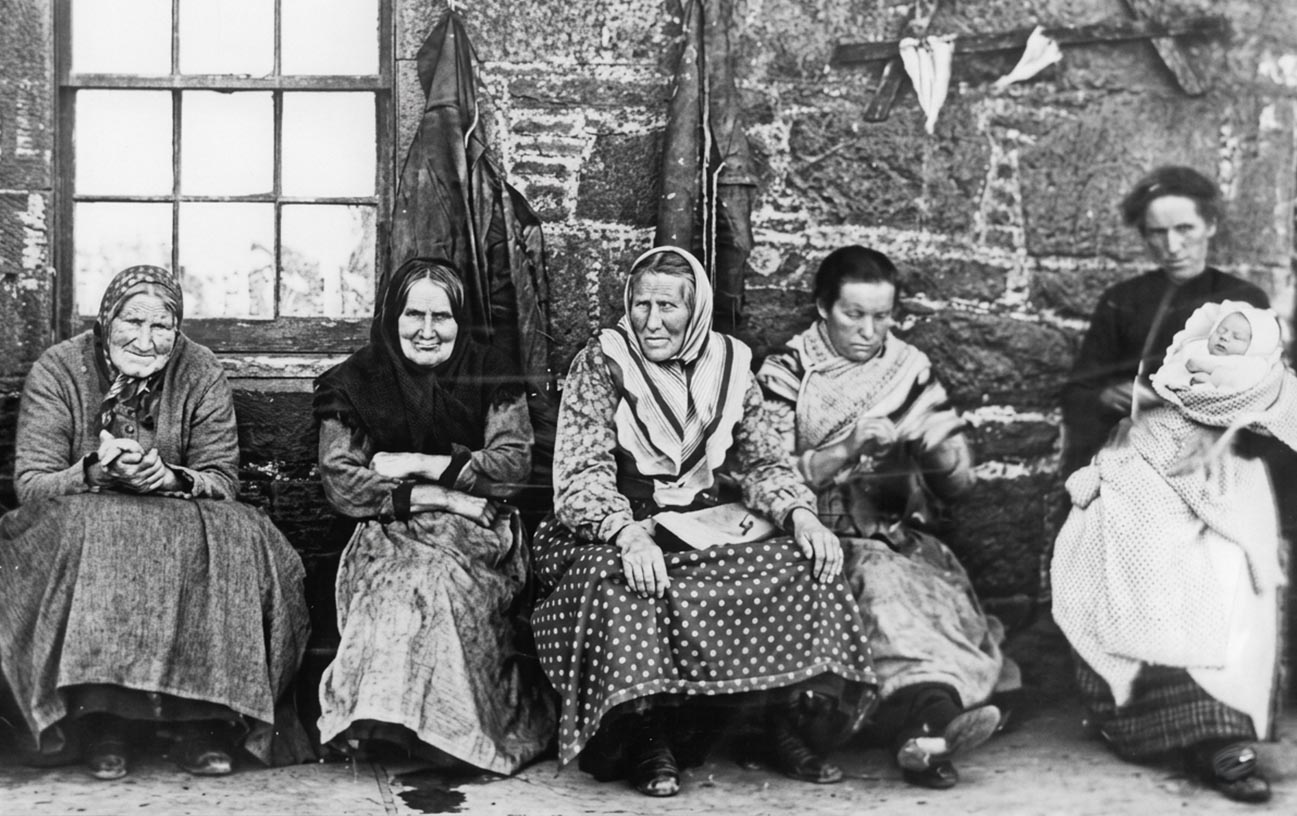
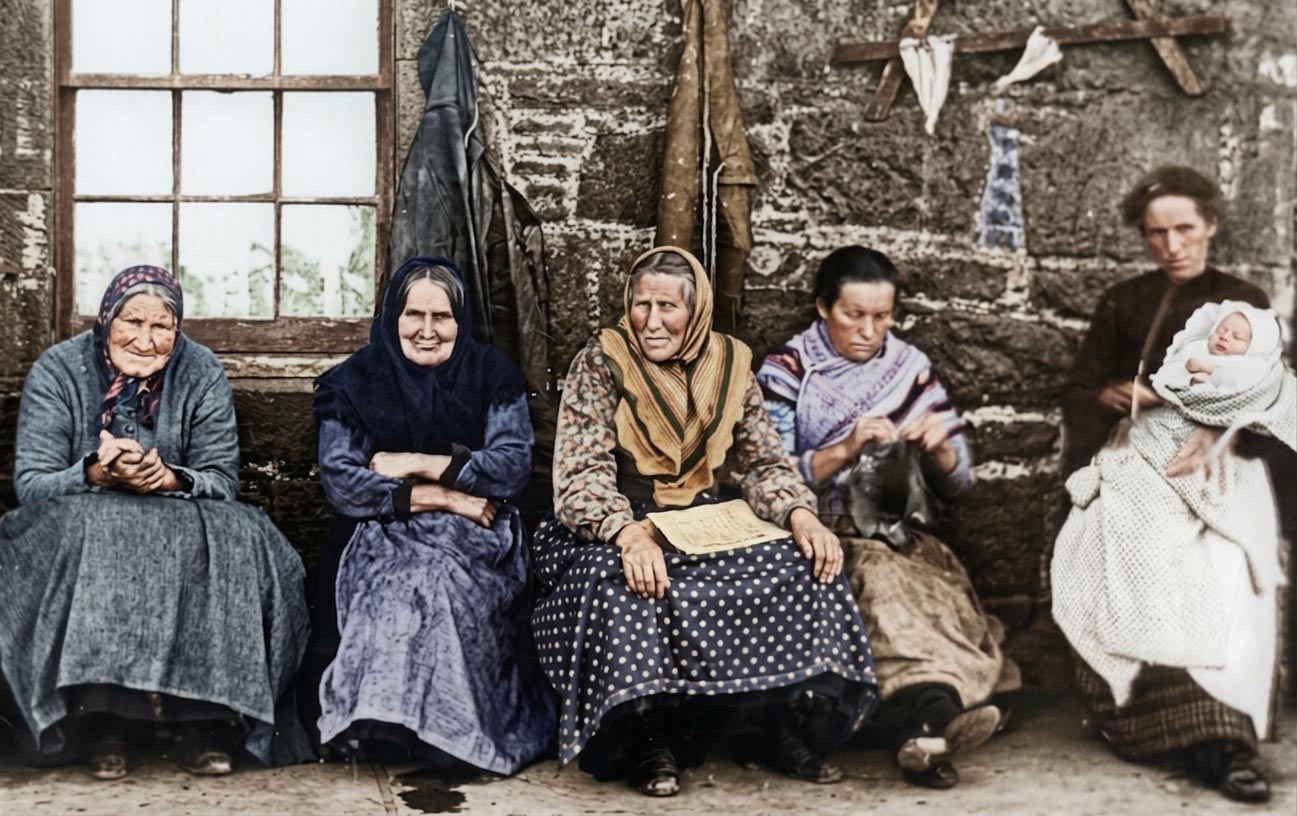
This chapter explores the people who lived around the harbour, starting with sparse records from the early days. It discusses maps by John Home (1795) and Alexander Dawson, which provide insights into the layout of the town and the feuars’ properties. The chapter also touches on the population growth in the 1800s, the impact of the herring boom, and the changing use of buildings around the harbour.
Chapter Five: Who Built Up the Harbour?
The chapter focuses on the significant developments in the harbour during the 19th century, particularly the contributions of Robert Stevenson, a renowned civil engineer. Stevenson’s plans for expanding the harbour included the construction of new piers and the creation of a larger enclosed area. The establishment of the Harbour Trust in 1825 marked a turning point, enabling organized development and maintenance of the harbour.
Chapter Six: Who Governed the Town and Harbour?
This chapter outlines the governance of Stonehaven and its harbour, starting with the feuars and bailies under the Earl Marischal’s charter. It traces the evolution of local governance through various acts of Parliament, leading to the establishment of the Harbour Trust and later the integration of the harbour’s management into Stonehaven Town Council in 1962. The chapter concludes with the transition to Kincardine & Deeside District Council and Aberdeenshire Council.
Chapter Seven: Who Maintained the Harbour in the 20th Century?
The 20th century brought challenges to the harbour, including storm damage and financial difficulties. The chapter discusses the construction of the Outer Breakwater, the impact of World War I and II, and the decline of the herring industry. It also covers the installation of a boom to protect the inner harbour and the development of visitor facilities, such as car parking and lighting.
Chapter Eight: Who Has Fished from the Harbour?
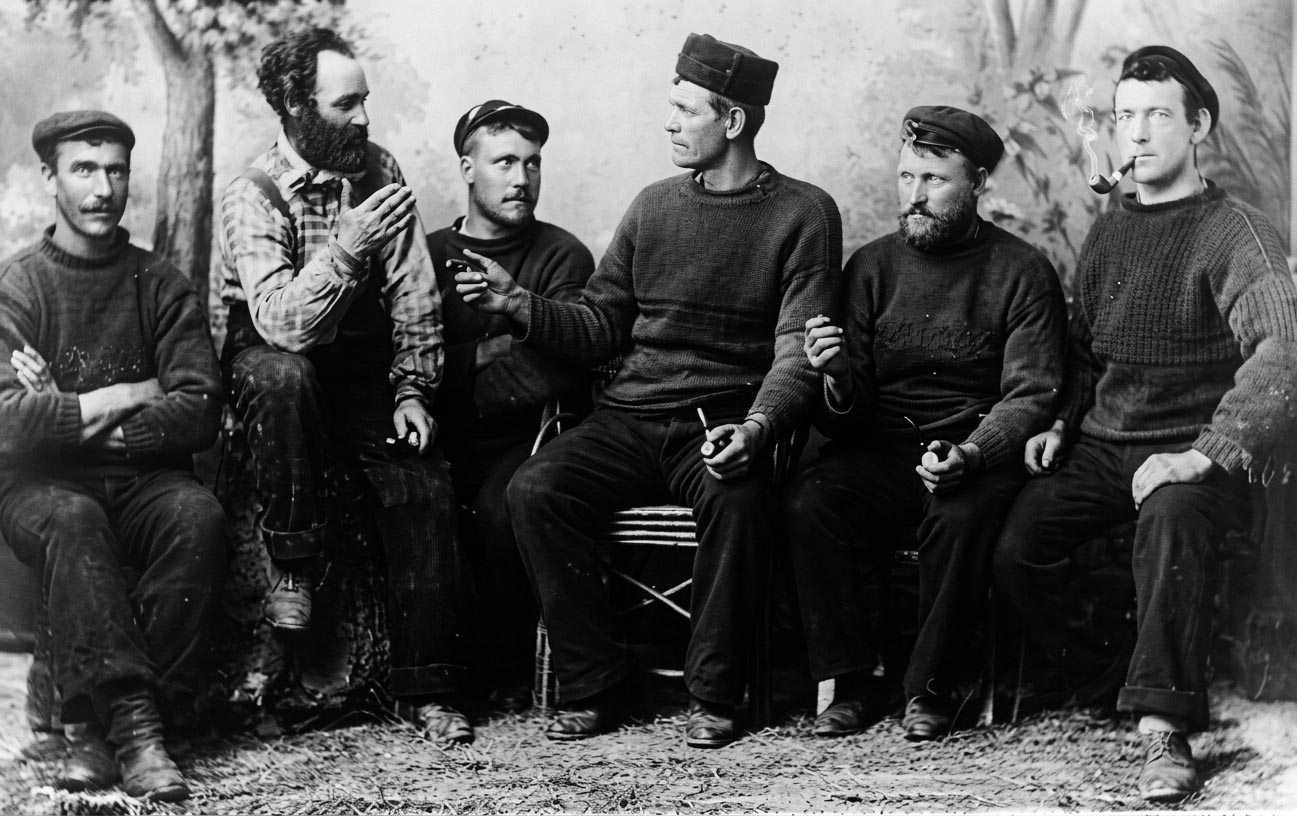
Fishing has been a cornerstone of Stonehaven Harbour’s history. The chapter traces the evolution of fishing practices, from small family boats to larger herring drifters during the herring boom. It discusses the decline of fishing in modern times due to overfishing, environmental factors, and competition from larger ports. The chapter also highlights the role of fish houses in processing catches and the impact of changing trade patterns.
Chapter Nine: Who Has Worked Around the Harbour?
This chapter examines the various industries and businesses that have thrived around the harbour, including fish curing, shipbuilding, and the operation of inns and public houses. It provides detailed histories of iconic establishments like the Ship Inn and the Marine Hotel, as well as the Tolbooth’s transformation from a warehouse to a museum and restaurant.
Chapter Ten: Who Has Visited the Harbour?
The chapter recounts notable visitors to Stonehaven Harbour, including Robert Burns, Thomas Telford, and members of the Duthie family. It also shares stories of dramatic events, such as a seaplane landing in the harbour and the murder and mutiny aboard the Duthie ship Rifleman.
Chapter Eleven: Who Has Been in Danger?
The chapter highlights the dangers associated with the harbour and the sea, including shipwrecks, drownings, and accidents. It recounts notable incidents, such as the murder of Captain John Greig and the tragic drowning of three teenagers in 1967. The chapter also discusses the role of the RNLI in rescuing people from accidents at sea.
Chapter Twelve: People (and Events) in Modern Times
The final chapter explores modern events and activities around the harbour, including sea swimming, the annual fireballs ceremony, and the establishment of the Stonehaven Sea Cadets. It also discusses the impact of World War II on the harbour, including the installation of flame throwers and the explosion of a mine in 1944.
This comprehensive book provides a rich tapestry of the history, people, and events that have shaped Stonehaven Harbour into the iconic site it is today.